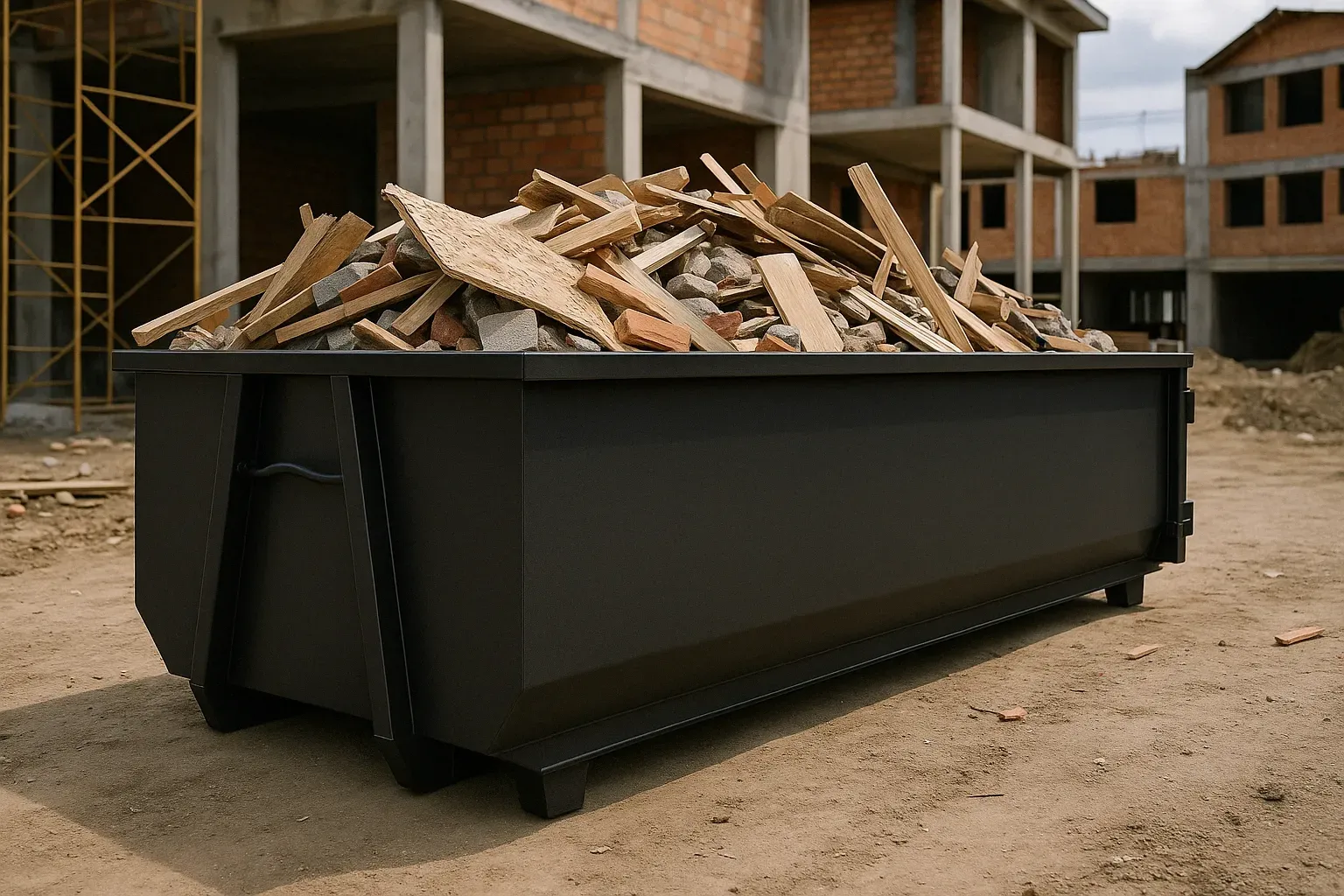
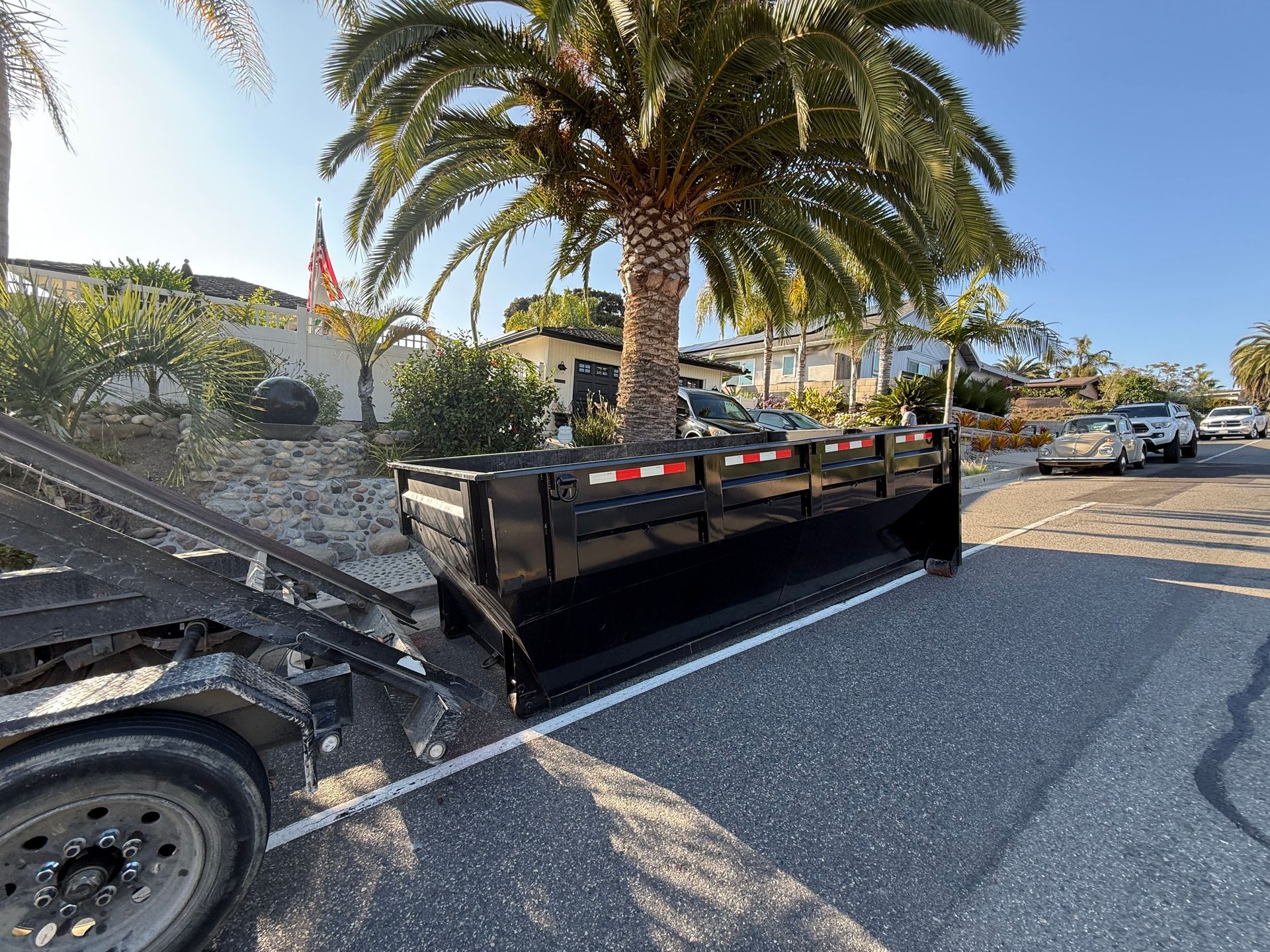
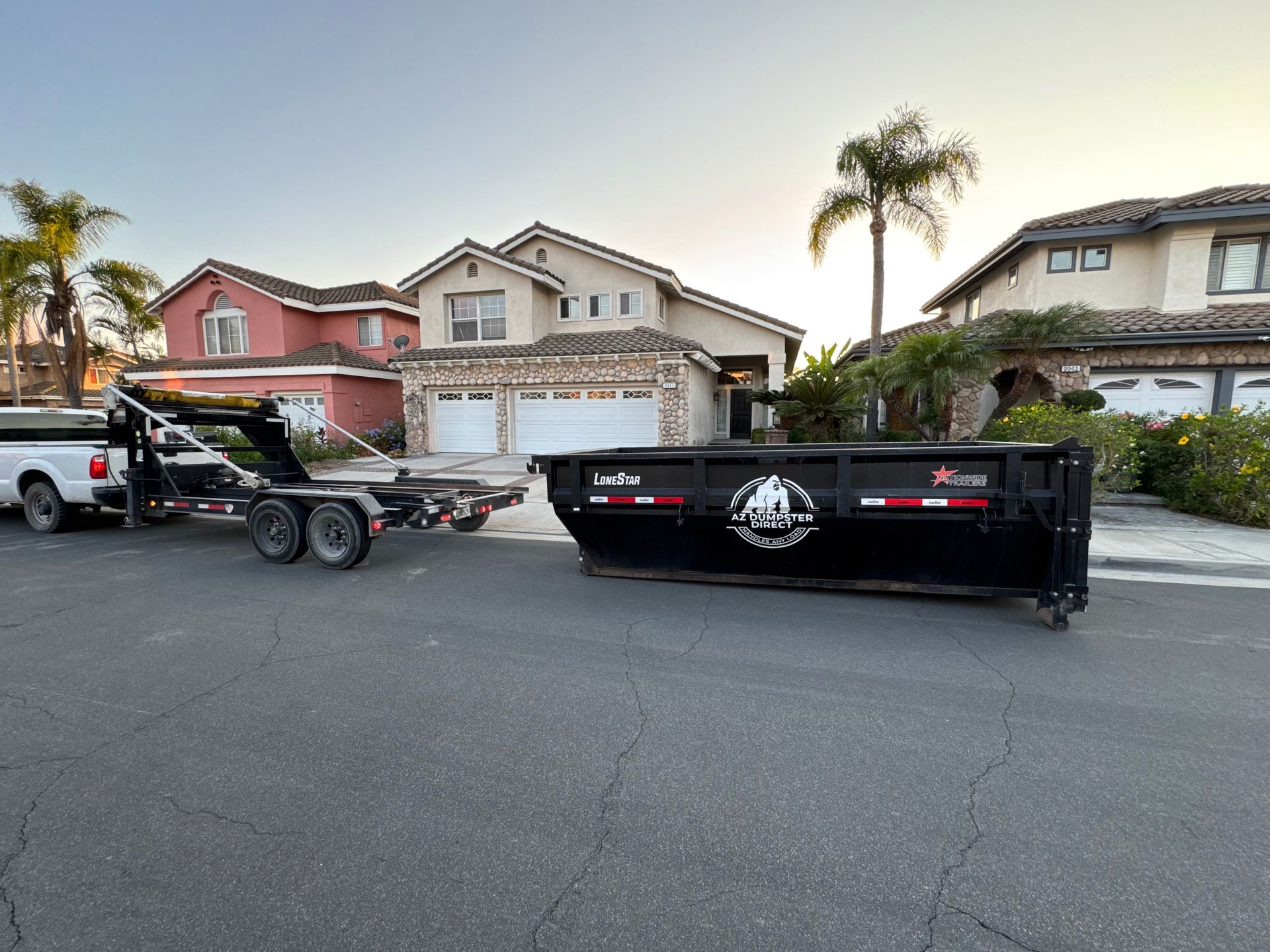
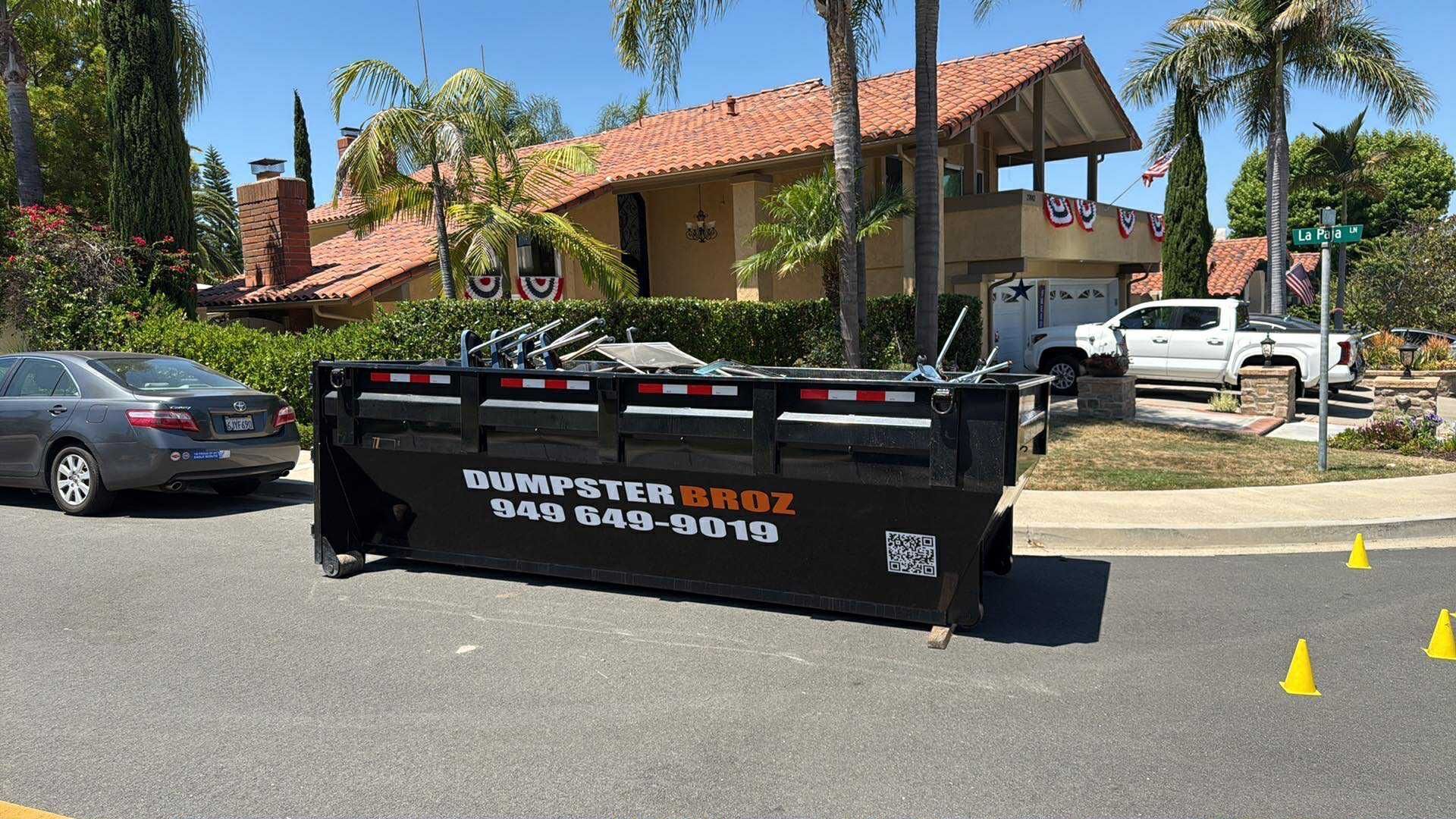
Home construction projects in Orange County CA require more than architectural plans and skilled trades. Every successful build depends on logistics, sequencing, material coordination, and structured debris management. From site preparation to final punch list cleanup, waste removal plays a critical operational role.
For builders and contractors, a dumpster is not an accessory. It is job site infrastructure.
This guide walks through each stage of residential construction and explains how properly managed
dumpster rentals support efficiency, safety, and compliance throughout the process.
Stage 1: Site Preparation and Initial Clearing
Before foundations are poured, the property must be cleared and prepared. This phase often includes:
• Removal of existing structures
• Vegetation clearing
• Grading preparation
• Demolition debris from previous builds
During this stage, debris is unpredictable in size and composition. Wood framing, concrete fragments, drywall remnants, and landscaping waste may all be present.
A properly sized roll off container allows crews to centralize debris immediately instead of allowing it to accumulate across the site. Early debris containment improves safety and keeps heavy equipment access unobstructed.
Stage 2: Foundation and Framing
Once the site is prepared, foundation work and framing generate steady material waste. Common debris includes:
• Form lumber
• Packaging materials
• Cut lumber
• Damaged framing components
• Concrete remnants
Framing crews work quickly. Without a structured waste solution, scrap materials scatter across the build area, increasing trip hazards and reducing productivity.
Strategic dumpster placement during framing ensures debris is deposited immediately rather than stockpiled. For contractors operating in Mission Viejo and across Orange County, maintaining an organized site supports inspection readiness and professional presentation.
Stage 3: Mechanical, Electrical, and Plumbing Installation
The rough in phase introduces new trades and new waste streams. At this stage, debris may include:
• Conduit cutoffs
• PVC piping remnants
• Electrical packaging
• Wire scrap
• HVAC material packaging
This phase generates lighter but consistent debris. Maintaining container availability ensures materials are disposed of promptly rather than interfering with ongoing installations.
For builders managing multiple subcontractors, structured debris removal reduces friction between trades and preserves workflow sequencing.
Stage 4: Roofing and Exterior Work
Roof installation is one of the heaviest debris producing phases of construction. Materials commonly include:
• Shingles
• Underlayment
• Flashing remnants
• Packaging
• Wood sheathing scrap
Roofing debris accumulates rapidly and requires weight conscious disposal planning. Contractors must ensure weight limits are understood and container size matches projected load.
In Orange County, where residential density varies from hillside properties to suburban developments, efficient placement and timely removal are critical to minimizing disruption.
Stage 5: Interior Installation and Finish Work
Drywall installation, flooring, cabinetry, and trim work produce bulk waste that quickly fills work areas. Debris at this stage often includes:
• Drywall offcuts
• Flooring materials
• Tile remnants
• Cabinet packaging
• Insulation
Finish work demands clean surroundings. A cluttered interior slows productivity and increases damage risk to installed materials.
Reliable dumpster availability ensures debris exits the structure as it is generated rather than remaining inside the home.
Stage 6: Final Cleanup and Project Completion
As the project nears completion, final debris removal ensures the property is prepared for inspection, walkthrough, and occupancy.
This stage often includes:
• Remaining scrap materials
• Packaging
• Minor demolition remnants
• General site cleanup
At this point, contractors prioritize efficiency and presentation. Structured pickup scheduling ensures the container is removed promptly, leaving the property clean and ready for handoff.
Why Dumpster Planning Matters for Builders
Builders and contractors evaluating dumpster providers typically consider:
Can delivery align with phased construction schedules?
Are weight limits clearly defined?
Can containers be swapped during high volume phases?
Is placement handled with awareness of driveway and access constraints?
Are rental extensions available if timelines shift?
Construction rarely follows a perfectly linear timeline. Weather, inspections, and subcontractor scheduling all introduce variability. Flexible yet structured dumpster service helps absorb these fluctuations without disrupting workflow.
Safety and Compliance Considerations
Organized debris management improves:
• Worker safety
• OSHA compliance alignment
• Site access for inspectors
• Reduced material damage risk
Scattered debris increases trip hazards and slows equipment movement. Centralized containment reduces these risks and supports professional site standards.
The Value of Local Operational Experience
Construction in Mission Viejo and throughout Orange County CA involves neighborhood restrictions, varied lot sizes, and HOA considerations. A local dumpster provider understands:
• Access limitations
• Residential placement sensitivity
• Traffic timing considerations
• Job site coordination challenges
This familiarity improves reliability and minimizes last minute adjustments.
Integrating Dumpster Rentals Into Build Scheduling
Rather than booking containers reactively, experienced builders integrate dumpster planning into the overall construction schedule. Coordinating delivery before high debris phases and scheduling pickup before inspections creates operational consistency.
Dumpster service should move in rhythm with the build timeline, not interrupt it.
Final Thoughts
Home construction projects generate debris at every stage, from site clearing through final finish work. Structured dumpster rental supports safety, productivity, and project flow throughout the entire build cycle.
For builders and contractors operating in Orange County CA, reliable debris management is not simply convenience. It is part of maintaining professional standards and keeping projects on schedule from foundation to final walkthrough.